The Athlete as A&R: How NBA Players Became Hip-Hop Executives
The locker room was always the first playlist. Now players are signing the artists themselves.
Sports · ReBL Sports Desk · August 13, 2026 · 3 min read
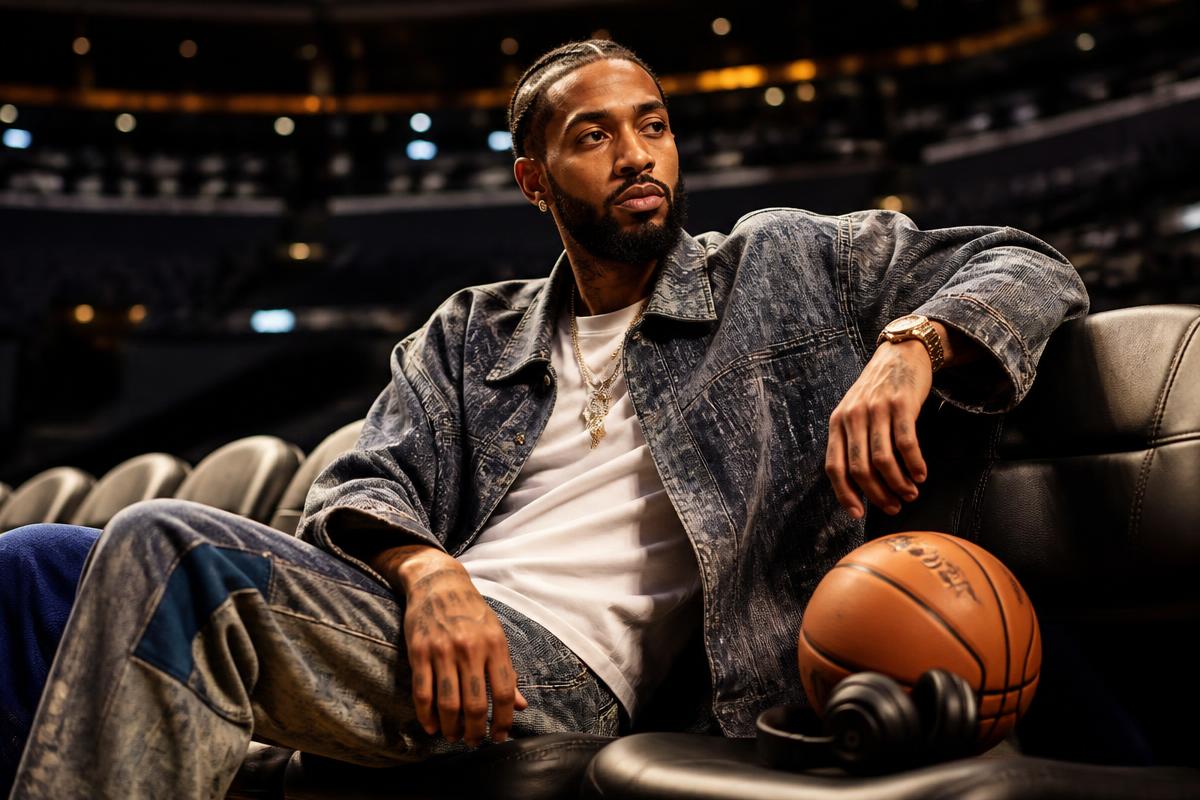
The relationship between professional basketball and hip-hop has always been close. Players appeared in music videos, rappers sat courtside, and the walk-up music in every arena leaned heavily on the genre. For a long time, the exchange was cultural: athletes borrowed style and swagger from rap, and rap borrowed status and aspiration from athletes. But over the last decade, the relationship has become structural. NBA players are not just fans anymore; they are executives, investors, and tastemakers inside the music industry itself.
The shift started with endorsements. A player with a hit song in their commercial could move product, and a rapper with a player in their video could move units. Everyone understood the value. But the real change came when players began to realize that they were curators. They traveled with headphones, they introduced teammates to new artists, and they shaped the soundtrack of an entire league. The locker room became a focus group. The pregame playlist became a launchpad.
A handful of players moved first. They invested in labels, signed artists, and used their platforms to promote music in ways that traditional A&R executives could not. An athlete with millions of followers and a documented love of the culture could introduce an artist to an audience instantly. A co-sign from the right player carried more weight than a paid playlist placement because it came from a real relationship.
This is not just about celebrity influence. The economics of sports and music have become more similar. Both industries rely on brand partnerships, global touring, and direct-to-fan relationships. Both have been disrupted by streaming and social media. Athletes who learned how to build personal brands saw parallels in artists trying to do the same thing. They understood that the product was not just the game or the song; it was the person and the story around them.
The NBA was a natural proving ground for this because the league markets itself as culture as much as sport. Players have long been expected to be entertainers, fashion figures, and media personalities. Adding music executive to the resume was not a stretch. It was a logical extension of the role they already played.
There are risks, of course. Not every athlete is a good talent evaluator, and not every artist wants to be tied to a sports brand. The power imbalance can be real. An athlete with capital can sign an artist, but they cannot manufacture the creative spark that makes the artist matter. The best partnerships work because the player genuinely loves the music and the artist genuinely respects the player's judgment.
Quote 03“They invested in labels, signed artists, and used their platforms to promote music in ways that traditional A&R executives could not.”
02A new pipeline
The most interesting effect is on the pipeline. Young artists now think about athletes as potential partners from the start. A college player with a viral highlight can also have a viral playlist. The boundary between sports discovery and music discovery is dissolving. A scout in one industry is increasingly a scout in the other, even if they do not carry that title.
Teams and leagues have noticed. Some organizations now work with artists on official collaborations, while others have built their own music and content arms. The smart ones understand that the value is not in a single sponsored track. It is in the long-term relationship between the team's brand and the culture that already surrounds it.
Quote 01“An artist backed by a player has access and credibility, but they also enter a world where the priorities of sport, business, and entertainment can collide.”
03What it means for the culture
For hip-hop, the athlete-as-executive trend brings new money and new distribution. It also brings new questions about authenticity and independence. An artist backed by a player has access and credibility, but they also enter a world where the priorities of sport, business, and entertainment can collide. The artists who navigate this well are the ones who treat the partnership as one chapter in a larger story, not the whole story.
For fans, the result is a culture that feels more interconnected than ever. The same person who argues about the best player in the league also argues about the best album of the year. The athlete as A&R is not a gimmick. It is a reflection of how deeply these two worlds have merged, and how much influence the players now have beyond the court.
Quote 02“For a long time, the exchange was cultural: athletes borrowed style and swagger from rap, and rap borrowed status and aspiration from athletes.”