How to Style Vintage Clothing for a Modern Look
Seven rules for wearing forty-year-old clothes without looking like a costume.
Fashion · ReBL Editorial · August 16, 2026 · 4 min read
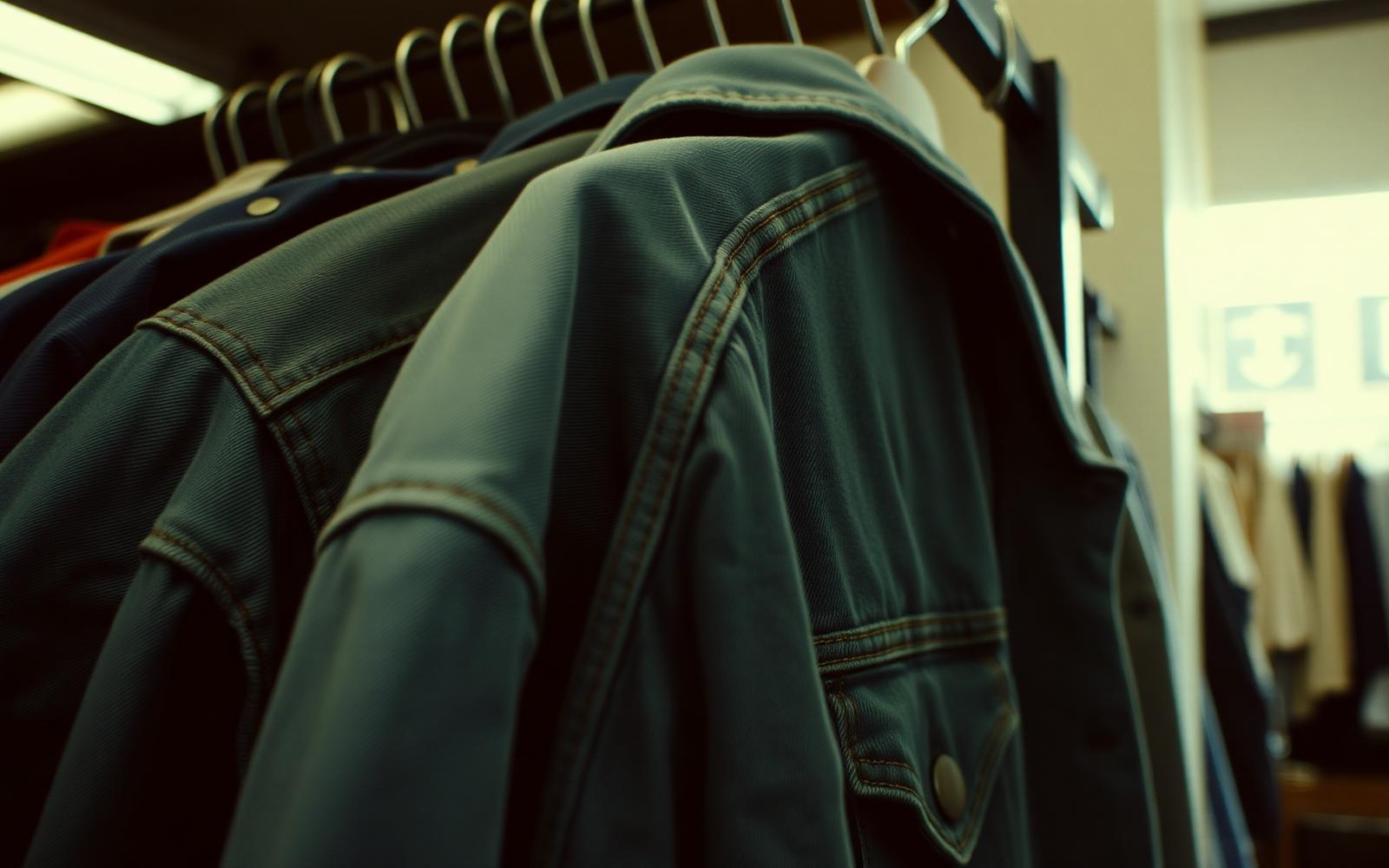
Vintage clothing fails for one reason: head-to-toe commitment. Wear a full decade at once and you are in costume. Wear one piece of it against a modern wardrobe and you are the best-dressed person in the room. Here is how we style the rack at ReBL.
02Rule one: one hero piece per outfit
Pick the loudest vintage item you own — the satin team jacket, the 70s printed dress, the tour tee — and build everything else around it in plain, current pieces. Clean denim, a well-cut trouser, a solid knit. The eye needs one place to land. Two hero pieces compete; three is a theme party.
03Rule two: fix the proportion, not the era
Most vintage reads dated because of proportion, not age. Eighties garments carry width in the shoulder and a shorter hem. Nineties pieces are boxy through the body. The modern correction is simple contrast: oversized top, tapered or straight bottom, or a fitted top with a wide leg. Never wide with wide unless the whole look is intentionally voluminous.
Quote 01“Pick the loudest vintage item you own — the satin team jacket, the 70s printed dress, the tour tee — and build everything else around it in plain, current pieces.”
04Rule three: tailoring is the highest-return money you will spend
A twenty-dollar hem and a twenty-dollar sleeve shorten turns a thrift find into something that looks made for you. Prioritize three alterations: trouser hem and taper, sleeve length on jackets, and side seams on boxy shirts. Leave shoulders alone — reworking a shoulder costs more than most vintage is worth.
05Rule four: modern shoes, always
Nothing dates an outfit faster than period-correct footwear. Put a contemporary sneaker, a clean boot, or a minimal loafer under vintage and the whole look snaps into the present tense. This single swap does more than any other styling decision.

06Rule five: let the fabric do the talking
Real vintage fabric — selvedge denim, heavyweight cotton, wool melton, leather with actual patina — has a hand that new clothing does not. Keep the rest of the outfit smooth and simple so that texture registers. A worn-in flannel next to a crisp trouser is the whole point.
Quote 02“Real vintage fabric — selvedge denim, heavyweight cotton, wool melton, leather with actual patina — has a hand that new clothing does not.”
07Rule six: know your measurements, ignore the tag
Vintage sizing is not modern sizing. A vintage medium is often a modern small; a vintage 32 waist can run two inches off. Measure a garment you already love — chest pit to pit, shoulder seam to seam, waist flat, inseam, sleeve — and shop those numbers. Every ReBL listing carries flat measurements for exactly this reason.
08Rule seven: buy the story, not the trend
The reason to wear vintage is that no algorithm can restock it. One-of-one means the piece stops being an item and starts being yours. Chase the garments that make you feel like yourself, not the ones a feed told you were back.
Quote 03“If you are building from zero, start with three pieces: a vintage denim jacket, a broken-in graphic tee, and one piece of real outerwear.”
09Where to start
If you are building from zero, start with three pieces: a vintage denim jacket, a broken-in graphic tee, and one piece of real outerwear. Those three rotate into almost any modern wardrobe and teach you your own proportions fast. Browse the ReBL catalog by size, color and fabric and start with one.