Rap as Diplomacy: When Governments Try to Weaponize the Culture
From the State Department to authoritarian regimes, hip-hop has become a surprising tool of foreign policy.
Geopolitics · ReBL World Desk · August 15, 2026 · 3 min read
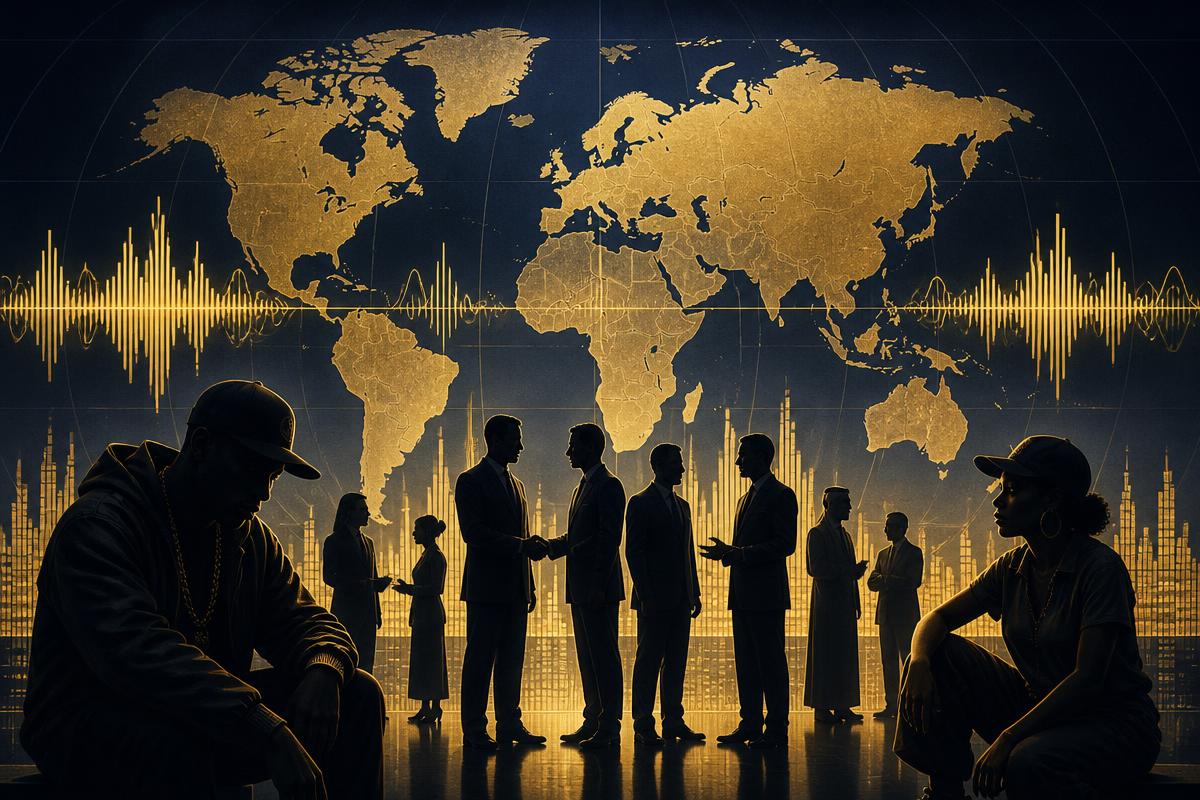
Hip-hop was born as a local response to neglect: Bronx kids turning block parties into culture, DJs into orchestras, and graffiti into public speech. It was not designed to be diplomatic. But once the genre became the dominant global sound, governments noticed. They saw that rap carried a prestige that classical music and state-funded ballet no longer did, and they began to invest in it the way they once invested in jazz tours and symphony orchestras. The result is a complicated era of hip-hop diplomacy, in which the culture is both exported and exploited.
The most visible form of this diplomacy is the sponsored festival. Countries looking to rebrand themselves invite major American artists to headline events that double as tourism advertisements. The stage is framed by skylines, the afterparties are covered by international media, and the message is clear: this is a place where young, creative, global people are welcome. The artists get paid, the fans get a show, and the host government gets a photo op with a culture it may not actually support at home.
The United States has been at this longer than most. State Department-funded hip-hop programs have sent American artists abroad to run workshops, perform in underserved communities, and build what diplomats call people-to-people connections. The intent is partly goodwill, partly counter-narrative. In regions where American foreign policy is viewed with suspicion, a rapper from a similar neighborhood can sometimes open a door that a politician cannot.
But the relationship is not always comfortable. Artists who participate in these programs are sometimes criticized for lending credibility to policies they do not control. The line between cultural exchange and cultural cover can be thin. A government that funds hip-hop while surveilling its own citizens, or while backing conflicts abroad, is not buying the culture; it is renting its image.
Authoritarian regimes have been even more direct. Some have banned rap outright, recognizing its history as a vehicle for dissent. Others have tried to co-opt it, producing state-approved artists whose lyrics promote nationalism and obedience. The strategy is old: if you cannot stop the sound, try to shape it. The results are usually unconvincing, because the genre's credibility depends on a sense of independence that state sponsorship undermines.
China offers a revealing case. Hip-hop there exploded through television competitions, then was reined in when the state decided the image was too rebellious. Artists learned to navigate an invisible line, and the most successful ones became fluent in self-censorship. The music stayed popular, but its edge was filed down. The global audience sees a polished product; the local audience knows the cost of producing it.
The geopolitics of hip-hop also operates through the market. Streaming platforms and multinational labels determine which artists cross borders, which languages get translated, and which scenes get investment. A South African rapper can blow up in Brazil because of playlist placement, but the terms of that exposure are shaped by corporations with their own priorities. Cultural exchange happens, but it is rarely free.
Quote 03“The stage is framed by skylines, the afterparties are covered by international media, and the message is clear: this is a place where young, creative, global people are welcome.”
02Why the culture resists
Despite all this institutional interest, hip-hop has proven difficult to fully control. Its roots are too decentralized, its audience too skeptical, and its best artists too skilled at speaking in codes. A song that sounds like a party anthem to a censor can carry a sharper message to listeners who know the context. The culture's survival has always depended on that gap.
This is why the most meaningful hip-hop diplomacy still happens outside official channels. Artists collaborate across borders because they respect each other, not because an embassy arranged it. Fans translate lyrics and build online communities that no government can manage. The culture moves through people, not just platforms.
Quote 01“They saw that rap carried a prestige that classical music and state-funded ballet no longer did, and they began to invest in it the way they once invested in jazz tours and symphony orchestras.”
03The question going forward
As hip-hop becomes more entrenched in global institutions, the central question is whether it can keep its critical power. Every co-opted anthem, every sponsored festival, every state-approved star is a test. The genre's future as a force for genuine cross-cultural understanding depends on the artists, journalists, and audiences who refuse to let the culture be reduced to a slogan.
Rap as diplomacy is neither good nor bad by definition. It is a tool, and like any tool, its value depends on who is holding it and why. The task for those who love the culture is to pay attention to the deals being made in its name, and to keep the parts of it that belong to no government at all.
Quote 02“State Department-funded hip-hop programs have sent American artists abroad to run workshops, perform in underserved communities, and build what diplomats call people-to-people connections.”