How to Spot Real Vintage Denim in Under Sixty Seconds
Selvedge edges, single-stitch hems and rivet stamps — the tells that separate genuine archive denim from a reissue.
Vintage Clothing · ReBL Buying Desk · August 2, 2026 · 7 min read
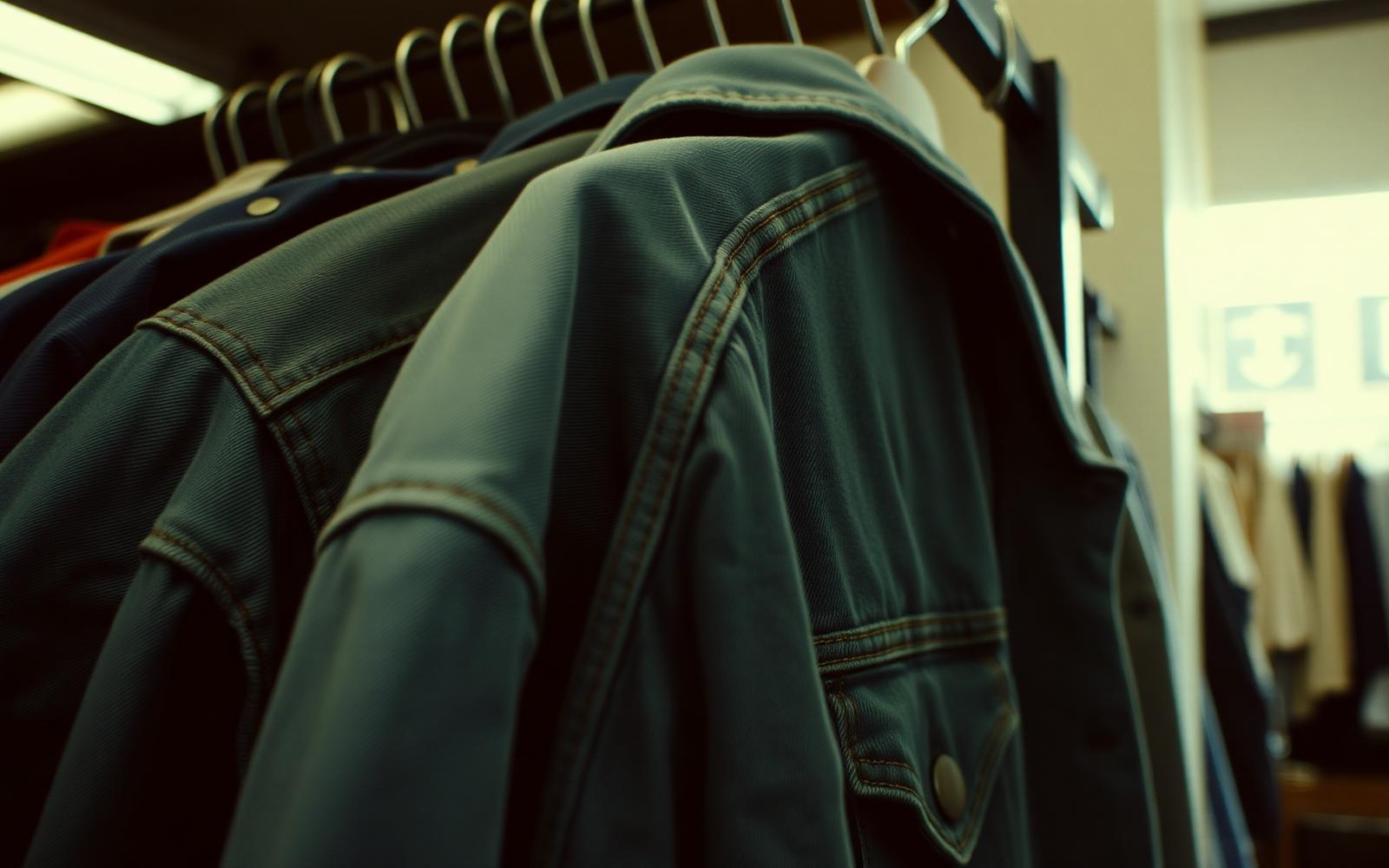
Vintage denim is the most counterfeited category in secondhand fashion, and it is also the easiest to authenticate once you know where to look. Every pair carries a paper trail woven into its construction: the width of the loom it was cut from, the machines that closed its hems, the hardware a factory happened to have in the bin that week.
Our buyers run the same sixty-second check on every pair that comes through the door. Here it is, in order.
021. Turn out the outseam
Genuine shuttle-loom denim finishes itself at the edge — a clean, banded seam, usually with a colored line running through it. That is selvedge. It appears because narrow vintage looms produced fabric roughly 30 inches wide with a self-finished border, so factories used the edge as the outseam rather than wasting it.
Modern projectile looms make wider, cheaper fabric with a frayed edge that must be overlocked. If you see an overlock zigzag on a piece marketed as pre-1980s archive, be skeptical.
Quote 01“Every pair carries a paper trail woven into its construction: the width of the loom it was cut from, the machines that closed its hems, the hardware a factory happened to have in the bin that week.”
032. Read the stitching
Single-stitch hems on a jacket cuff or a shirt sleeve generally point to earlier production. Chain-stitched waistbands leave a distinctive roping fade along the hem after years of laundering — a fade pattern that is very difficult to fake convincingly, because it is a consequence of the stitch tension, not a wash treatment.
Look for thread color drift too. Old garments were sewn with cotton thread that ages toward tan; a bright, uniform gold thread on a supposedly forty-year-old piece is a flag.

043. Check the hardware
Rivets, buttons and zippers are date stamps. Manufacturers changed suppliers constantly, and those suppliers stamped their names on the backs of buttons and the pulls of zippers. A quick search of the mark on the reverse of a top button will usually place a garment within a decade.
Copper hardware oxidizes unevenly across the areas that see friction. Uniform patina across every rivet suggests chemical aging, not wear.
Quote 02“Honest wear concentrates in whiskers at the hips, honeycombs behind the knees and a wallet ghost on the back pocket — all of them asymmetrical, because bodies are asymmetrical.”
054. Trust the fade, not the tag
Tags get swapped. Fades do not lie. Honest wear concentrates in whiskers at the hips, honeycombs behind the knees and a wallet ghost on the back pocket — all of them asymmetrical, because bodies are asymmetrical. Factory distressing is symmetrical and tends to sit on the surface of the fabric rather than sinking into the weave.
If a piece passes all four checks, it earns a spot on the rack. Everything in the ReBL vintage department has already been through this process before you ever see it online.
Quote 03“It appears because narrow vintage looms produced fabric roughly 30 inches wide with a self-finished border, so factories used the edge as the outseam rather than wasting it.”